
Determining Your Hair Porosity | The Key to Healthy Natural Hair
Understanding your porosity level is essential in understanding what products to use! Here are some tips to maintaining healthy natural hair!

By: Natasha Marsh
I am still quite new to the natural hair club. It was 9 months ago that I did the big chop and since then I have experimented with a plethora of natural hair products. I am starting to understand my hair a lot better but of course, there have been some bad hair days sprinkled in. A few months ago I was at the airport going through TSA when the agent looked at my passport picture, showing myself with a long mane, and then at me with my current short hair and said “so you chopped it all huh sis”. Beaming with delight and confidence I said “sure did”. To my surprise she says “ you should look up porosity” hands me back my passport and says “next”. At the time, I had no idea what hair porosity was, all I knew was this TSA agent didn’t have the friendliest tone in suggestion.
When I eventually looked up hair porosity I was shocked that my stylist never mentioned it, after all the times I inquired about what products were good for my hair. Porosity refers to how well your hair absorbs and holds moisture. Most naturals, like myself, only consider curl patterns when curating a hair care regime, but porosity could be the answer to all our bad hair days.
Basically, each individual hair strand is made of multiple layers. The outermost layer is called the cuticle. This layer opens up and allows oils and water to pass in and out of your hair. How porous hair can be is generally based off of genetics but can be greatly affected by coloring, heat styling or relaxing the hair.
Any woman with curls will tell you, caring for and styling curly hair is no easy task. Understanding your porosity level is essential in understanding what products to use. Generally there are three tiers-- low, medium, and high porosity. To figure out what tier you are, take the below test.
THE TEST
1. Float test- Take a couple of strands of hair from your combo or brush and drop them into a bowl of water. Make sure hair is clean as oil in hair can affect results. Let hair sit in the cup for at least 5 minutes. If your hair floats, you have low porosity. If it sinks, you have high porosity. 2. The slip n’ slide test: take a strand of hair and slide fingers toward the scalp. If you feel bumps along the way, this means that your cuticle is lifted and you have high porosity. If your fingers slip smoothly, then you have low porosity hair.
LOW POROSITY HAIR
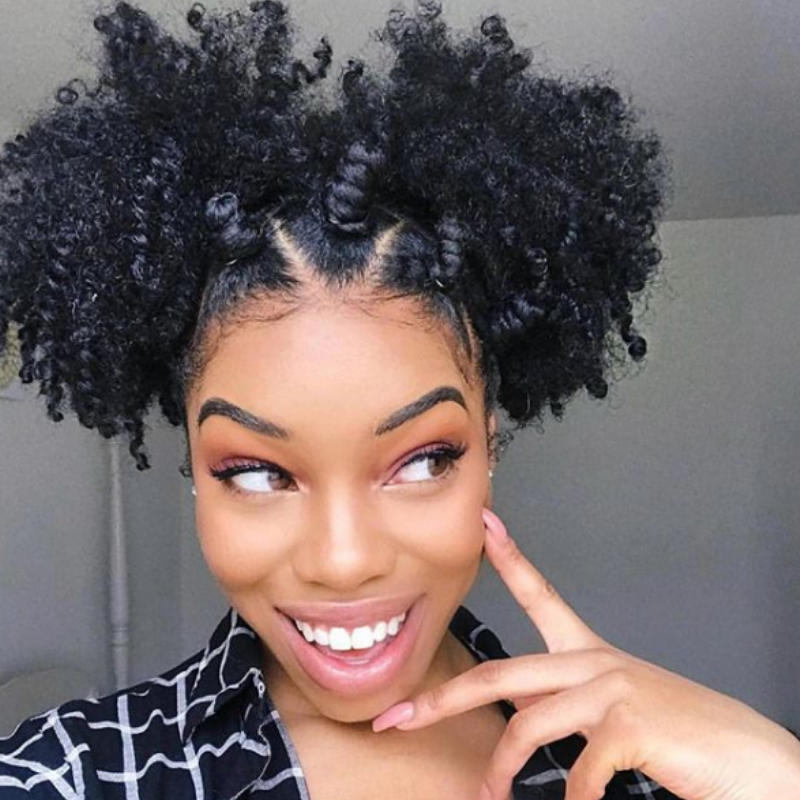
Low porosity hair has a cuticle layer that is too tightly together, making it difficult for moisture or anything to enter the hair shaft. Generally you have low porosity if your hair takes a while to dry or if products sit on your hair instead of penetrate.
You’ll want to avoid using too many creams. The likelihood of buildup with multiple creams, shampoos, and conditioners, is high. If product is sitting on your hair it makes it harder for moisture to get through which ultimately leads to dryness. We recommend using lightweight formulas, indirect heat (hot water or heated deep conditioners) to open cuticles to let moisture in, and a weekly clarifying shampoo to remove residue.
MEDIUM POROSITY HAIR
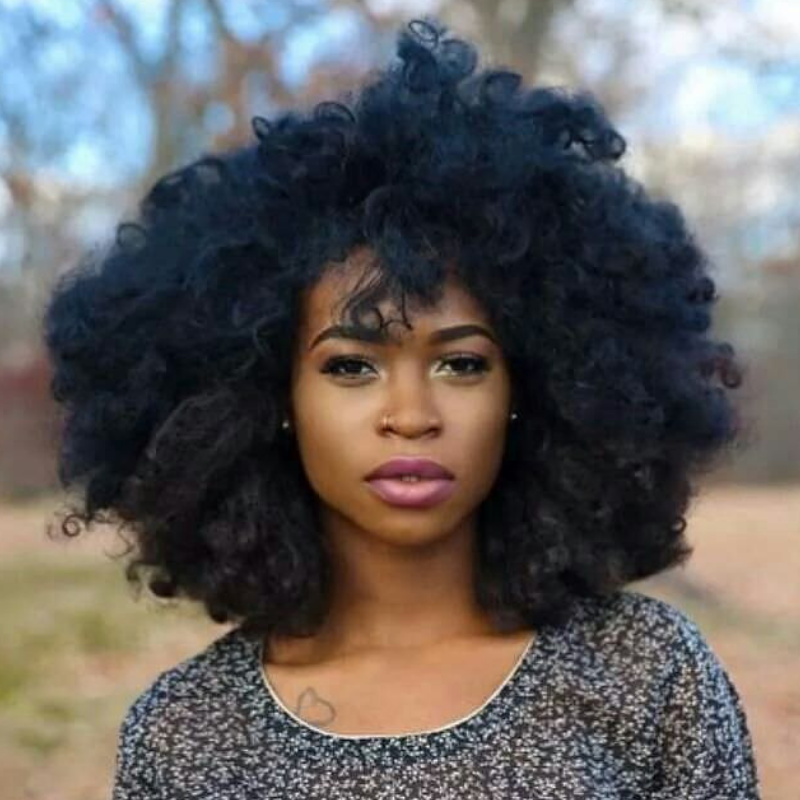
Hair with medium porosity is the sweet spot, often requiring slim to no maintenance. The cuticle layer is looser, allowing moisture to get in and preventing too much from escaping. Hair with normal porosity tends to hold styles well, and can easily be colored or permed. Over time, however, these heat processes can change hair from normal to high porosity. To keep medium porosity, you’ll want to look for products for normal to dry hair as there is no need for a lot of conditioning.
HIGH POROSITY HAIR
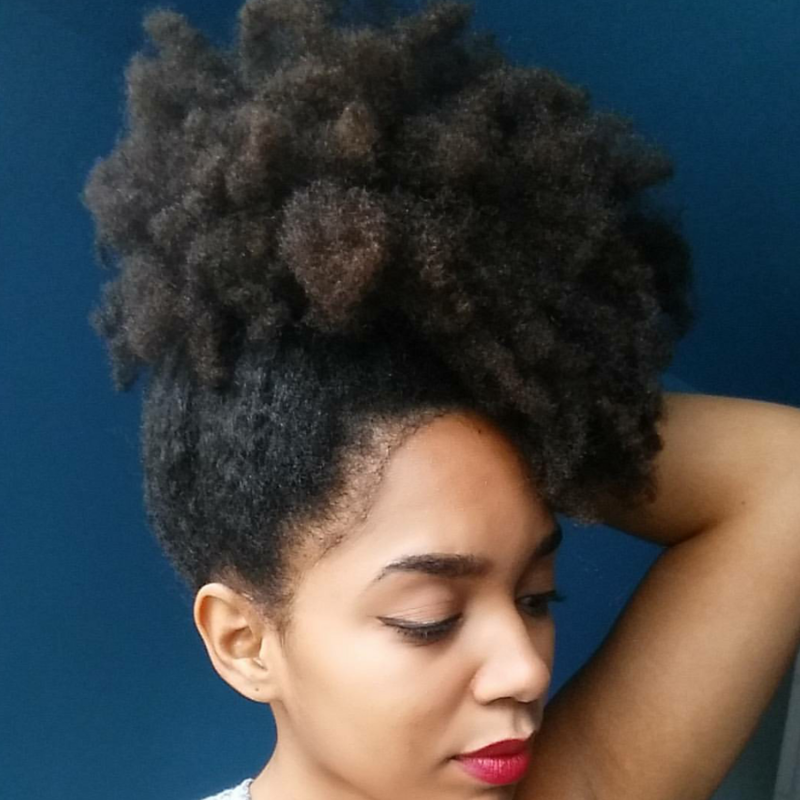
If you have chemically processed hair or live in a big city with lots of pollutants you most likely fall into the high porosity category. The cuticle here has numerous gaps and holes, letting in too much moisture but instantly tangled or frizzed once dry. Essentially, getting the moisture in your hair is no problem, however, keeping it takes work. The key to high porosity is hydrating with moisturizing cleansing conditioners and leave-in conditioners, strengthen the cuticle with protein treatments, and locking in moisture with a gel or styler.

YOU MAY ALSO BE INTERESTED IN:

SHARE TO SOCIAL MEDIA
Breaking the Rules: Natural Hair Treatment Tips
It's okay to break some rules when dealing with natural hairstyles for black women! Here are some natural hair treatment tips for naturals! Read why your natural hair treatment can differ from other all natural black women!

By: Emily-Ann
I know you are all familiar with saying, “The rules are meant to be broken”. I think it’s no different when it comes to hairstyles for african american women. Now, I am not telling you to completely break all of the rules, but there are a few you can tweak or just throw it all way. I’ve listed a few that I feel you can do without.
The first one would be the Denman Brush. This is a staple in the natural hair community and the brush is said to be a must-have when you are dealing with natural hairstyles for black women. The rule here is to remove every other row; I did not do that, needless to say I found the brush to do more harm than good. I’ve used this brush, and all it did was cause grief. It literally pulled out more hair than anything else and not only did I break this rule but I threw it in back of my closet never to be seen again. Okay, well that is not entirely true. I can’t stand not being organized, even if it’s something as small as that. I did purchase a plastic bin to place all my hair tools.
>> SEE ALSO: Natural Hair Care: Eco Styler Gel Is Cancelled
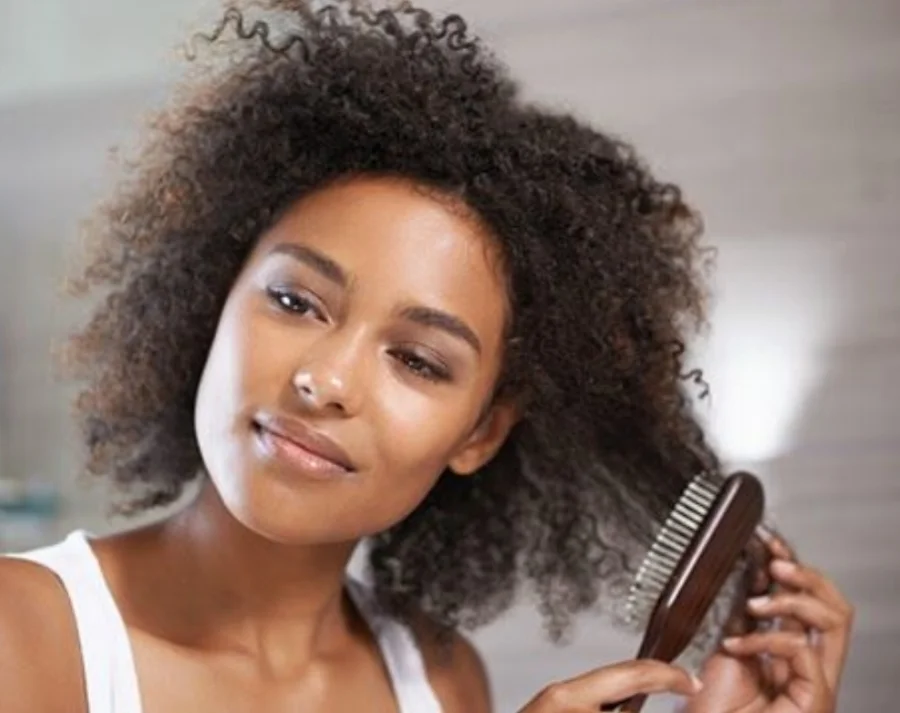
There is another debate that seems to be going on in the natural hair community. The question that seems to be on everyone’s mind lately. Do you co-wash vs. use shampoo? Now for those of you who are new, let me break down real quick to you. The term co-wash, simply means to use conditioner in place of shampoo to perform your washes. There is a lot of back and forth about this particular method. I have done this method for awhile and I can honestly tell you that I have mix feelings. I say break this rule, it’s okay to do co-wash once in awhile, but honestly I did not see any real benefits.
>> SEE ALSO: Top 10 Things You Should Know About Natural Hairstyles For Black Women
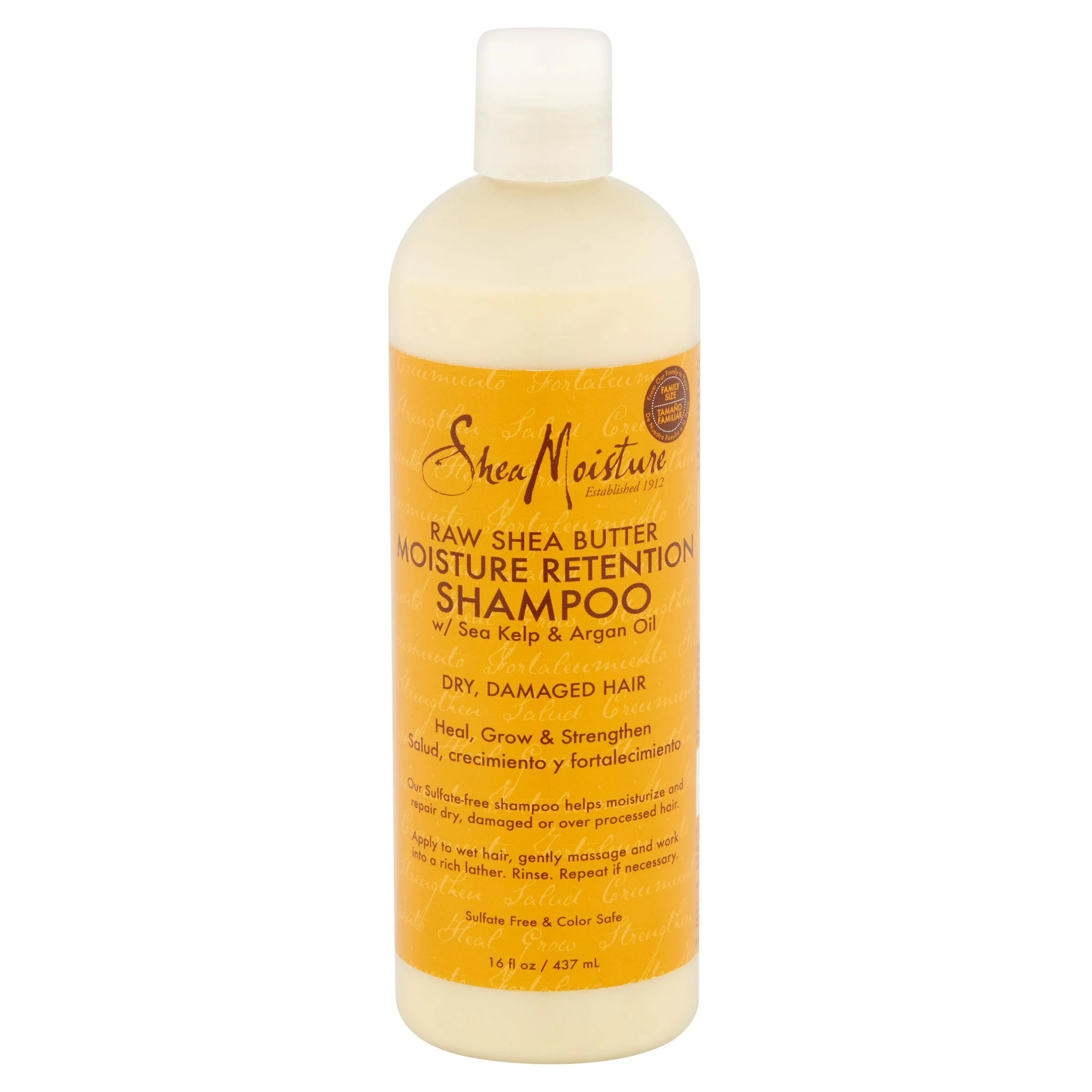
There are so many chemical free shampoos now on the market, and wide selection to choose from. We no longer have that small section in the drug store. Growing up my mother had to take me to a small neighborhood beauty supply store just to get my natural hair care products. I can now walk-in a walmart or another store, and find black hair care products on shelves. It’s okay to put back the shampoo in your routine, just make sure to read the label. I can give you example; I am currently using Shea Moisture’s Raw Shea Butter line. My main focus is on moisture retention, so I purchase products that will promote just that. I have type 4 natural hair, with low porosity so my hair goals may be different from your own. I find that it is in great benefit to know your natural hair types and porosity level for this very reason. Trust me, you’ll thank me later for encouraging you to know your natural hair types.
>> SEE ALSO: Transitioning to Natural Hair: Are You Ready?
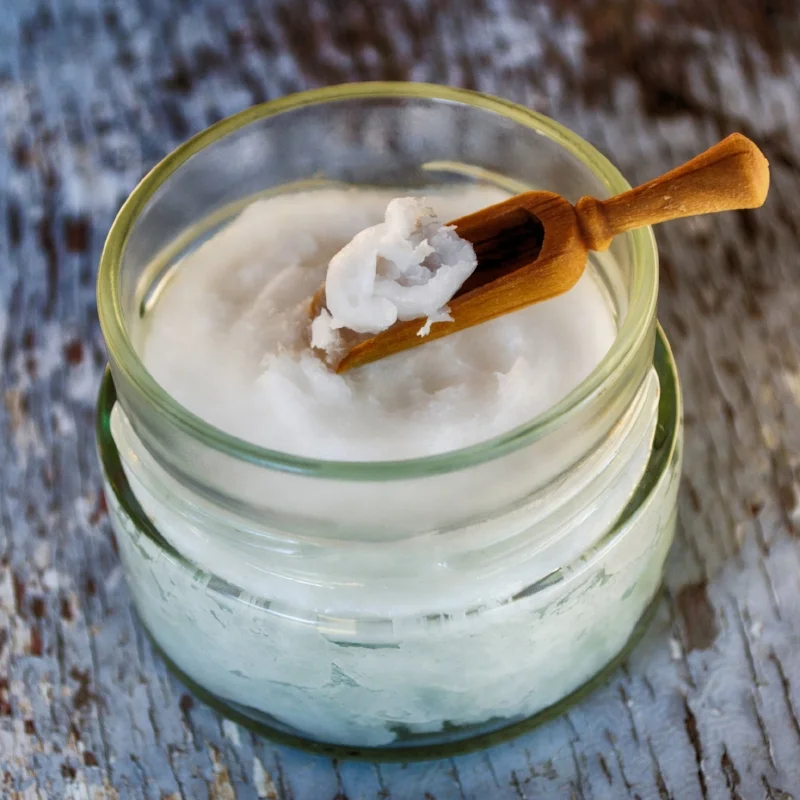
When it comes to oils, this would be the top of the list for best natural hair products in the natural hair community. If you guessed Coconut oil, you are correct! I am not one of these naturals that has success with this oil, so don't feel bad because I feel your pain. I say break this rule too! Whoever said that coconut oil works for all natural hair types is lying lol! I often discuss this in my own personal blog post at Blushgirlcurl, and I am very honest when it comes to expressing my feelings about natural black hair products. Go ahead, put it down and break this rule, if it doesn't work for your or your hair that’s okay! Pass it on to another natural who may have some success with coconut oil. It’s okay hunny, I won’t tell!
Last but definitely not least; the liquid oil cream method or LOC method, which is the grandfather of all rules when it comes to learning how to take care of natural hair. This is like the holy grail of natural hair care rules and until recently, I thought breaking this rule would doom your chances of success! I thought you had to follow this method when trying to figure out how to make my hair grow faster. I happen to come across an article that suggested trying a different order for you hair type. This concept surprised me and I did try this out to see if it would work for me. I broke this rule and the order, I am now using LCO for my method of choice. If you are lost and have absolutely no idea what I am talking about, allow me to elaborate further. The LOC method, stands for Leave-in, Oil, and Cream, which is the chosen standard for sealing in moisture in the hair for extended periods of time. I broke this rule, well kinda and switched the order to see if the results would change. I switched it up and found that my natural hair responded much better to the LCO, rather than the LOC.
Don't be afraid to try different methods to see which one works for you! Let me know in the comments below, what rules have you broken and have gained success?
THIS ARTICLE IS RELATED TO: black natural hairstyles, black natural hair, black natural hair products, black natural curly hair, natural hairstyles
YOU MAY ALSO BE INTERESTED IN:
Meet Emily-Ann Brown, contributing writer to 247 Live Culture!